What to Expect from a Roof Inspection for Insurance Purposes
Understanding the Role of a Roof Inspection in Your Insurance Claim
A damaged roof can create serious stress, especially when you need to file a claim with your insurance company. Whether the damage comes from a severe storm, falling debris, or gradual wear, the inspection your insurer requires is different from a routine maintenance check. Knowing what an insurance-focused roof inspection involves can help you prepare, avoid surprises, and make the process go more smoothly.
Insurance adjusters and roofing professionals look for specific types of damage and evidence during these inspections. Their goal is to determine whether the damage is covered under your policy, how much the repair or replacement should cost, and whether pre-existing wear contributed to the problem. Understanding these points can help you present a stronger case and ensure nothing gets overlooked when an adjuster visits your property.
Key Differences Between a Standard Roof Check and One for Insurance
A typical roof inspection focuses on identifying needed repairs, estimating the remaining life of the roofing materials, and spotting potential leaks. An inspection for an insurance claim, however, has a different purpose. It documents the cause of damage, the extent of the loss, and whether the damage meets the policy’s terms for coverage. The inspector may take detailed photos, measurements, and notes about specific weather events or visible impact points.
During an insurance roof inspection, the inspector will also look for signs of pre-existing damage or deferred maintenance. This distinction matters because insurance policies generally do not cover damage from long-term wear, lack of upkeep, or improper installation. If an adjuster finds missing shingles that have been gone for months, for example, your claim might be denied. That is why it helps to keep your roof in good shape and to document any repairs you have made over time.
What Inspectors Look For: Common Issues That Affect Claims
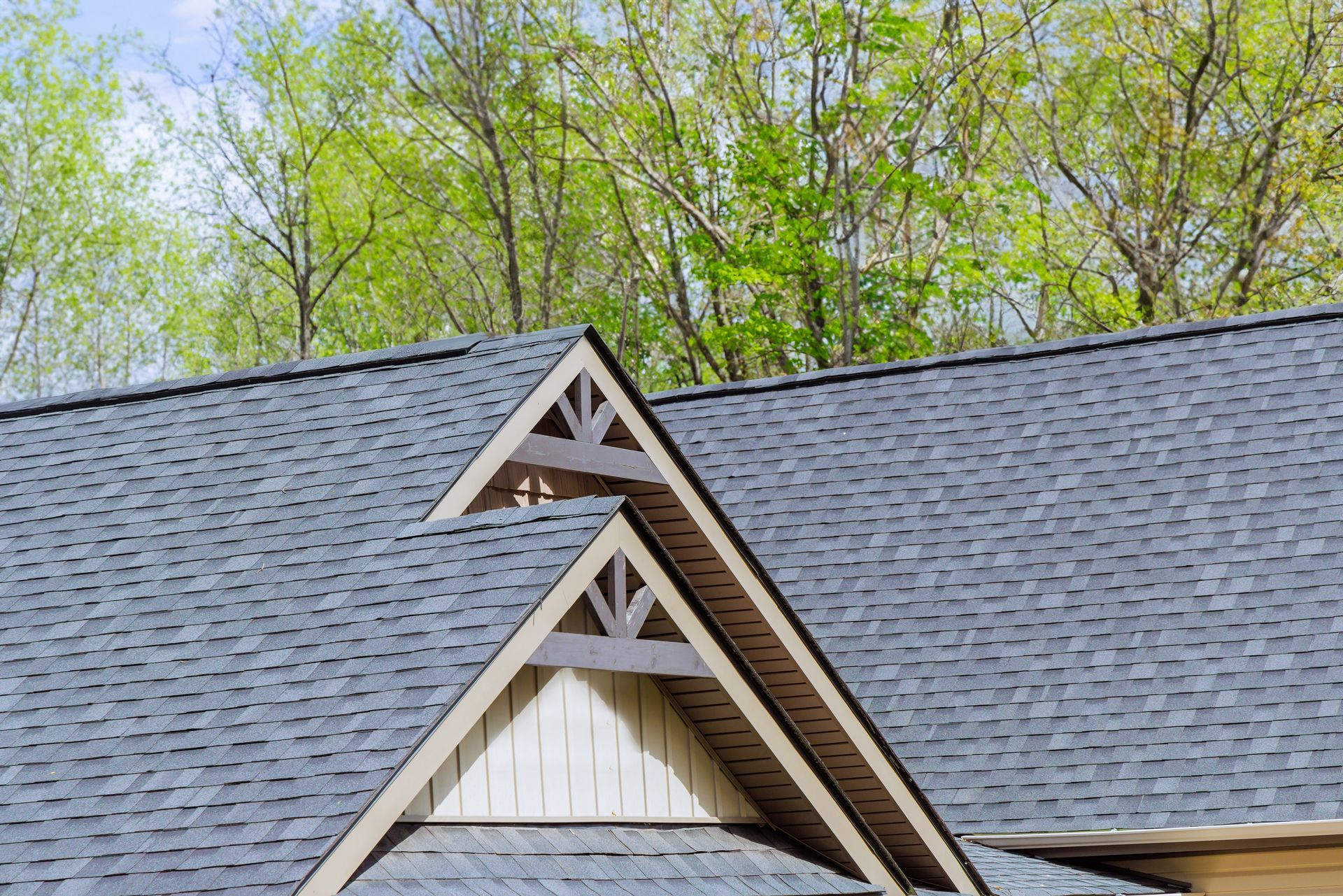
Inspectors trained for insurance work examine the roof surface, flashings, gutters, and interior spaces like the attic. They note problems that can indicate storm damage or gradual deterioration. Some of the most frequently flagged issues include:
- Missing shingles or tiles. These are often a clear sign of wind damage from a storm. But if the loss appears old or scattered, the adjuster may argue it resulted from normal aging or poor installation.
- Granule loss on asphalt shingles. A moderate amount of granule loss is normal over time, but large bare patches can mean the shingles are near the end of their service life. This kind of wear is not covered by most storm damage policies.
- Cracked flashing around chimneys, vents, and skylights. Flashing failures often lead to leaks. If the cracks show rust or dirt buildup, the damage probably predates the storm event you are claiming.
These details can help you understand what an adjuster might flag and why some claims get reduced or denied. Knowing them also helps you prepare questions for your own contractor before the adjuster arrives.
Advanced Inspection Methods for Hard-to-See Damage
Not all roof damage is visible from the ground or even from a walk on the surface. Water can travel along roof decks and penetrate interior finishes far from the original leak point. To find hidden issues, inspectors sometimes use specialized techniques. A bucket test, for instance, involves blocking a section of the roof, filling it with water, and watching for leaks below. This can pinpoint exactly where a membrane or flashing has failed.
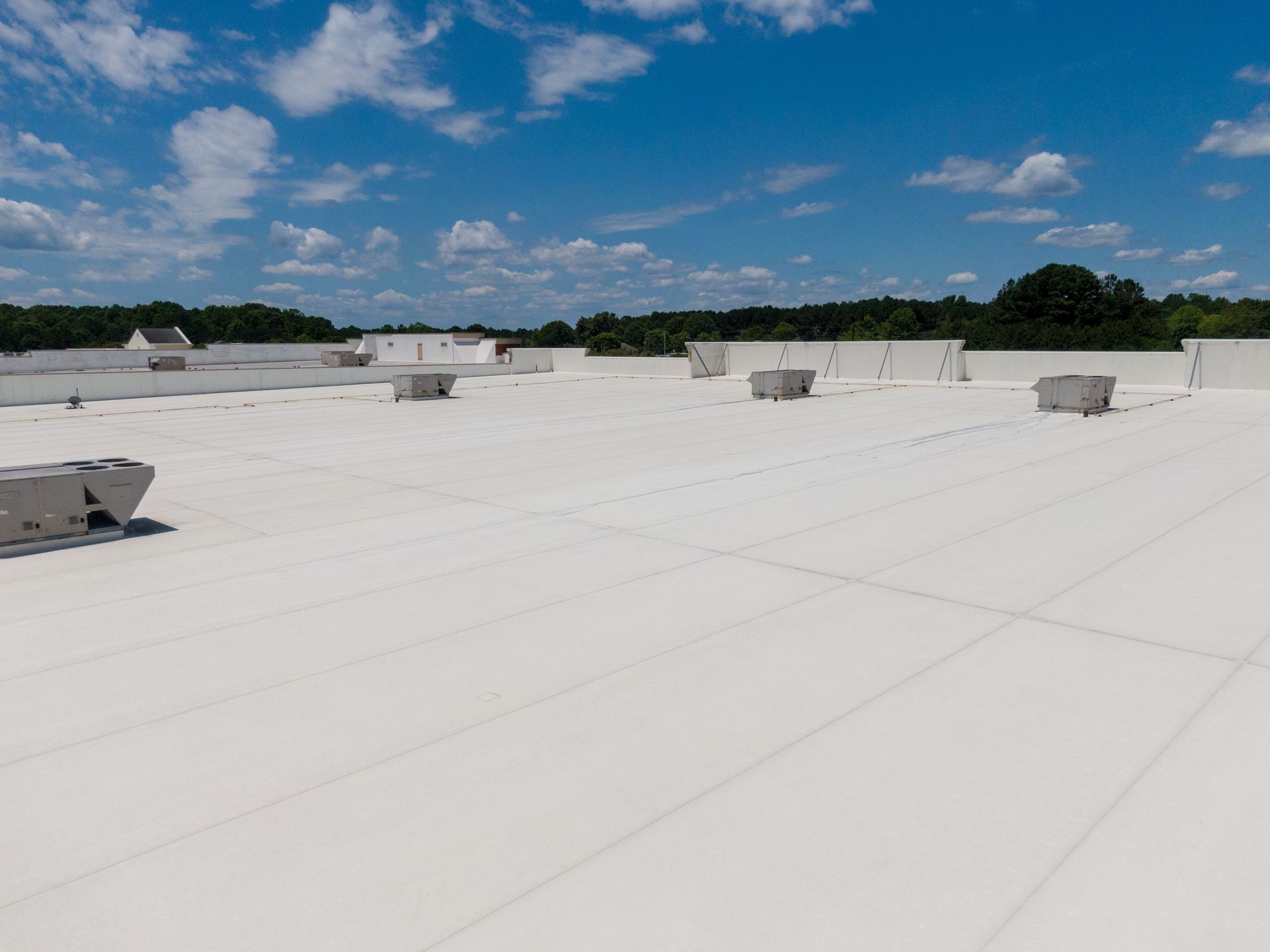
Another method is the infrared moisture scan. This uses a thermal camera to detect temperature differences in the roofing materials. Wet areas retain heat differently than dry areas, so the scan can reveal trapped moisture inside a built-up roof or below a single-ply membrane. These tools are especially useful for flat or low-slope roofs common on commercial buildings, but they can also help on residential properties with complex shapes or multiple layers.
If you live in a colder climate, an ice dam inspection may be relevant. Ice dams form when snow melts on the upper part of a roof and refreezes at the eaves. The trapped water can push under shingles and cause interior leaks. An adjuster will look for signs of ice dam damage, such as water stains on attic rafters or warped sheathing. Knowing whether your policy covers ice dam damage is important before winter arrives.
Preparing for an Insurance Roof Inspection
You do not need to be a roofing expert to prepare, but a few steps can make a difference. Start by documenting the damage yourself. Take clear photos from multiple angles, showing the roof surface, any interior leaks, and the date of the storm or event. Keep any receipts for temporary repairs you made to prevent further damage, such as tarping a leak. This shows the insurer you acted responsibly to protect your property.
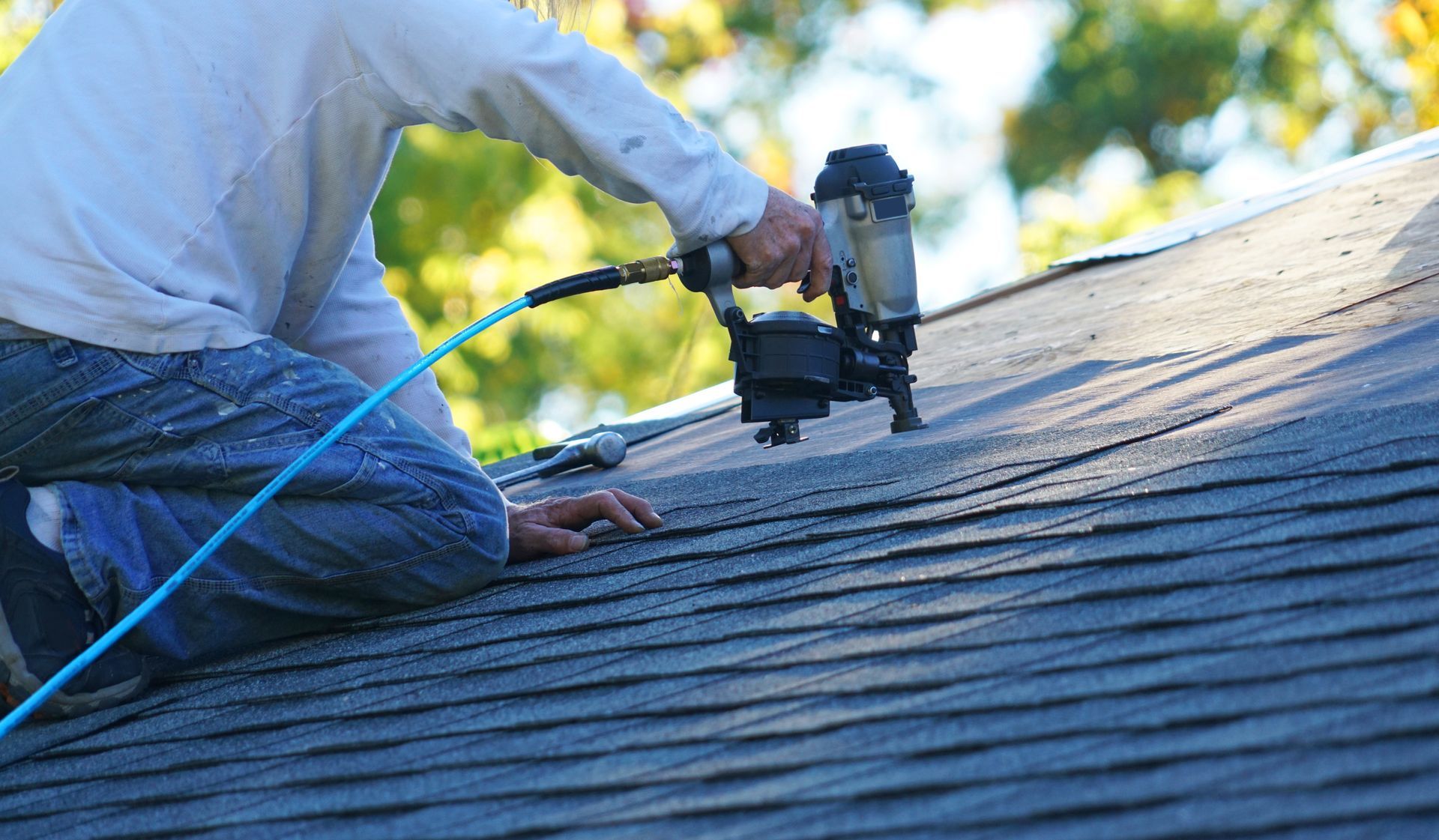
You should also clear debris from the roof and gutters so the inspector can see the surface clearly. Trim any overhanging branches that might block access or views. If you have an attic, make sure the area around the access hatch is clear so the inspector can check for water stains, mold, or wet insulation. Having your own roof inspection report from a licensed contractor can also help, but remember that the adjuster will make their own independent assessment.
How to Handle Disagreements Over the Inspection Findings
Sometimes the adjuster’s report differs from what you or your contractor observed. This is not uncommon. If you believe the inspection missed something or undervalued the damage, you have options. You can request a reinspection, provide additional documentation, or ask your insurance company to send a different adjuster. Some homeowners also hire a public adjuster to negotiate on their behalf. Public adjusters work for you, not the insurance company, and they can help interpret policy language and challenge a low settlement.
Another approach is to get a detailed estimate from a local roofing contractor who understands insurance work. That estimate can serve as evidence of the true cost of repairs. If the contractor finds damage the adjuster did not note, ask them to explain their findings in writing. This paperwork can strengthen your appeal if you need to dispute the claim.
The Connection Between Routine Maintenance and Insurance Coverage
One of the most common reasons for denied claims is pre-existing damage from lack of maintenance. Insurance policies expect homeowners to keep their roofs in reasonable condition. That means replacing worn shingles, sealing cracks in flashing, and cleaning gutters regularly. If an inspector finds that a leak resulted from a maintenance issue that had been ignored for months, the claim will likely be denied.
An insurance roof inspection is not just about the immediate damage. It also evaluates the overall condition of the roof. If your roof is old or has widespread deterioration, the insurer may offer a reduced payout based on its depreciated value. Understanding this can motivate you to address small problems before they become larger ones. A proactive approach to roof care can also make future claims easier to process, because you will have records of ongoing maintenance and repairs.
What Happens After the Inspection
Once the insurance roof inspection is complete, the adjuster writes a report and sends it to the insurance company. The company then reviews the findings and issues a decision on your claim. This process can take a few days to a few weeks, depending on the complexity of the damage and the insurer’s workload. During this time, you may receive a partial payment for emergency repairs or a full settlement for the covered damage.
If the claim is approved, you will need to choose a contractor to perform the repairs. Make sure the contractor is licensed, insured, and familiar with the specific materials on your roof. If the claim is denied, read the denial letter carefully. It will explain the reason, such as a policy exclusion or evidence of pre-existing wear. You then have the right to appeal, usually within a set timeframe. Gathering strong documentation and expert opinions early can give you a better chance of a successful appeal.
Final Thoughts on Navigating the Process
A roof inspection tied to an insurance claim requires attention to detail and clear communication. Knowing what inspectors look for, how they test for hidden damage, and what documentation you need can reduce the stress of the process. It also helps to understand that insurance policies differ, so reading your policy language and asking your agent questions before a storm hits is a smart move. By staying informed and proactive, you can protect your home and make sure you receive the coverage you paid for when you need it most.